Japchae
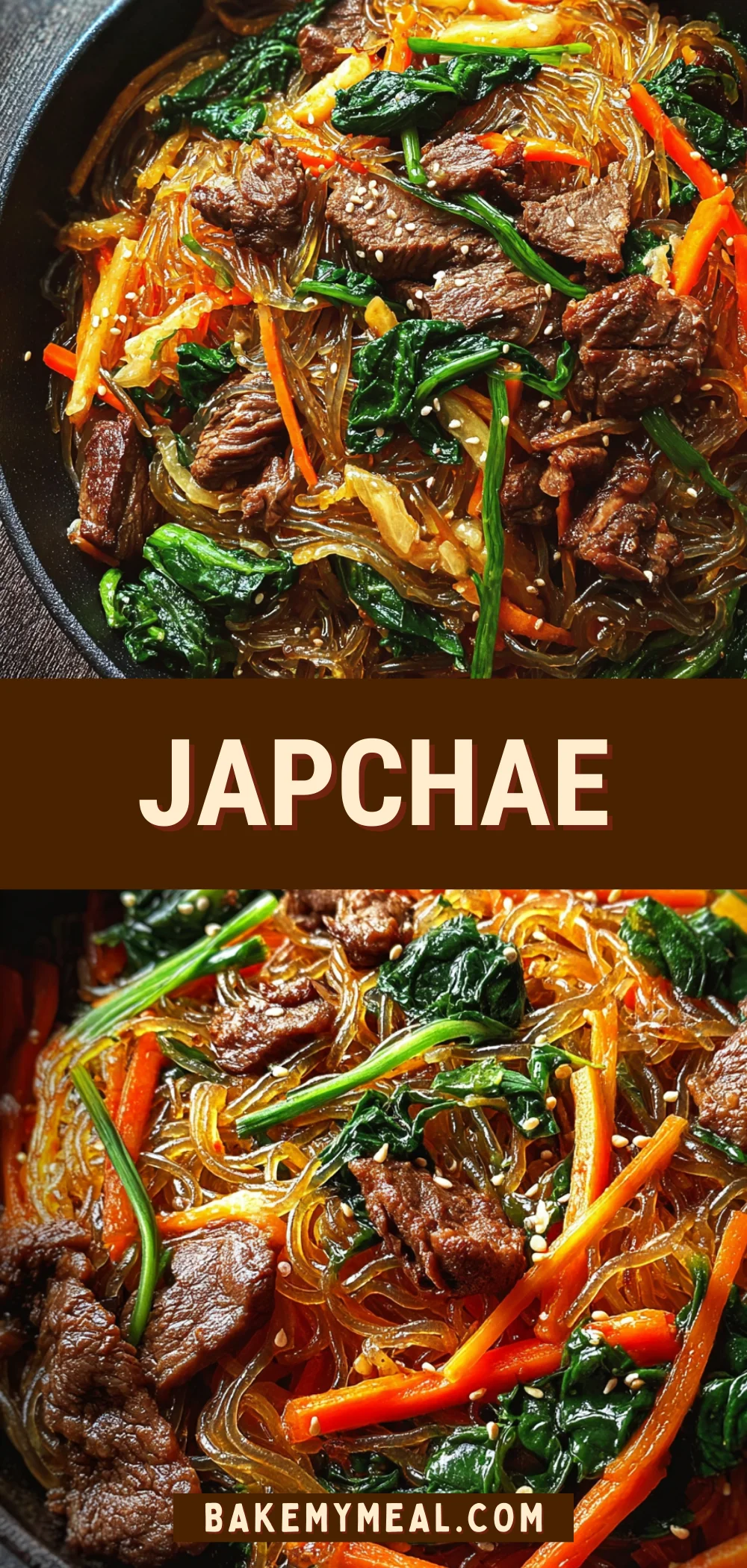
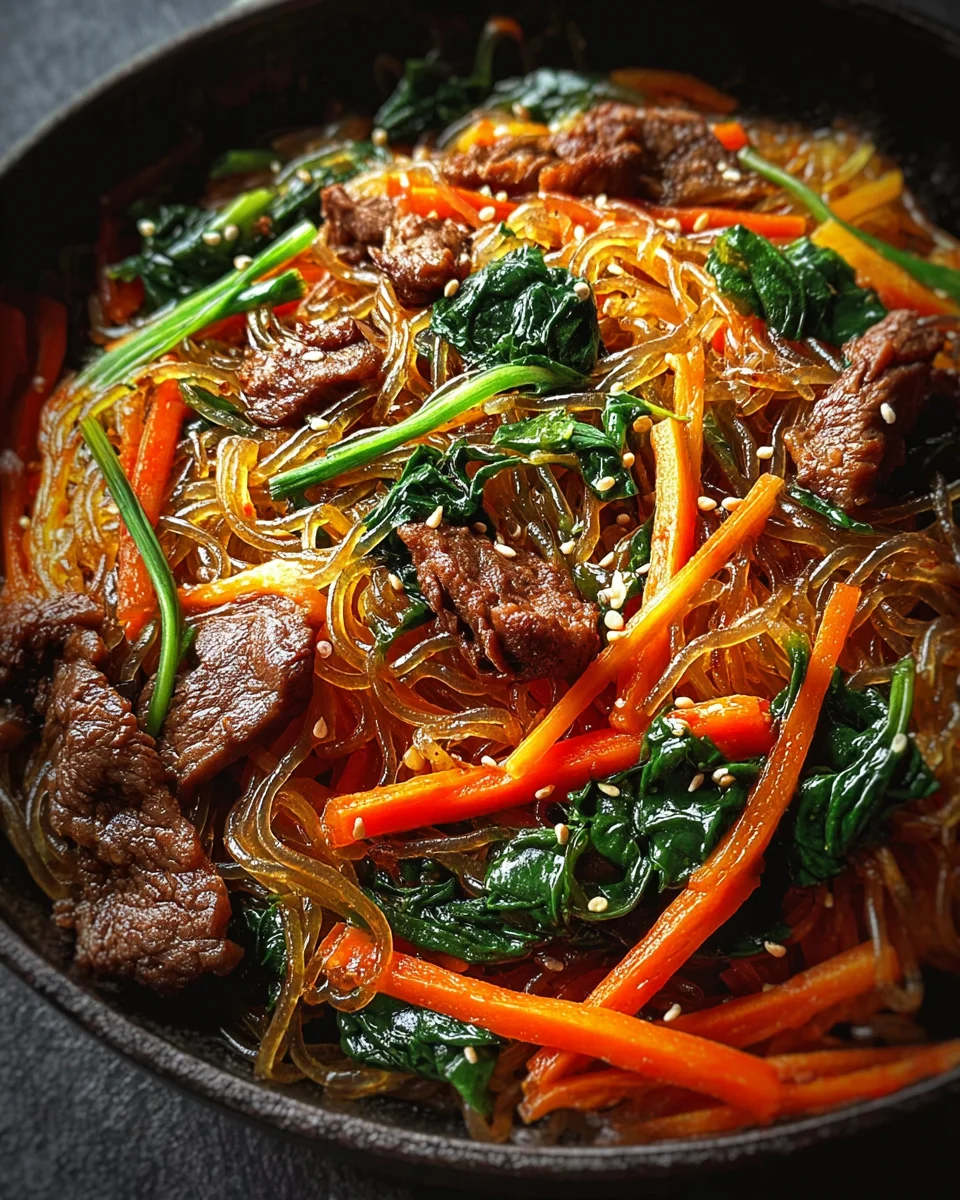
This Japchae recipe brings the vibrant flavors of Korea right to your kitchen. With its chewy sweet potato glass noodles and a delightful mix of tender beef and colorful vegetables, it’s perfect for any occasion—from festive gatherings to cozy family dinners. The savory-sweet blend of soy sauce and sesame oil makes this dish truly irresistible. Plus, you can easily customize it with chicken, tofu, or shrimp to suit your taste.
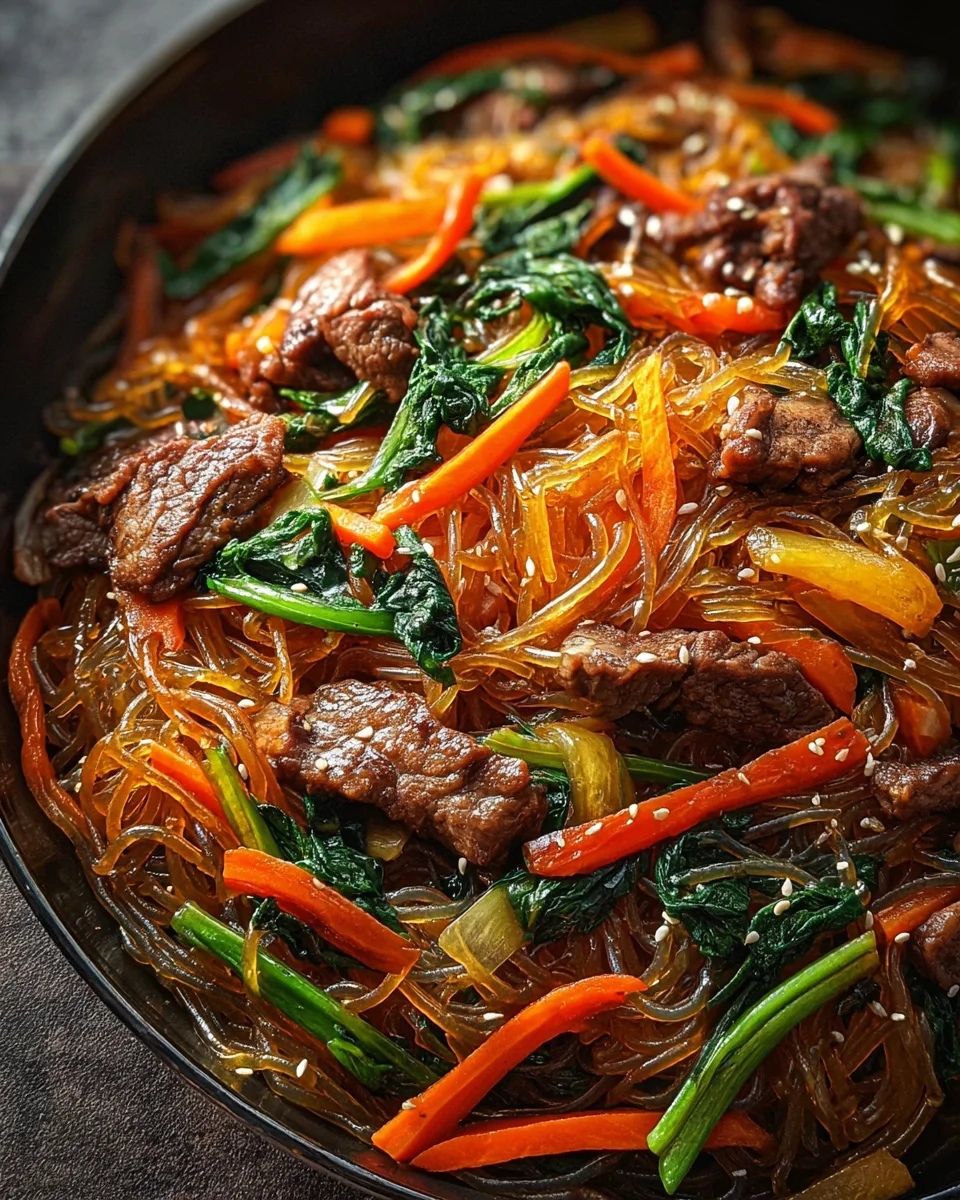
Why You’ll Love This Recipe
- Quick and Easy: This Japchae recipe comes together in just one hour, making it a fantastic choice for weeknight dinners.
- Flavorful and Satisfying: The combination of tender beef, fresh vegetables, and savory sauce creates a deliciously satisfying meal.
- Versatile Ingredients: You can easily swap in chicken, tofu, or shrimp based on your preference or dietary needs.
- Perfect for Meal Prep: Make a large batch to enjoy throughout the week or serve it at your next gathering.
- Colorful Presentation: The vibrant colors from the veggies make this dish visually appealing, sure to impress your guests.
Tools and Preparation
Before diving into cooking Japchae, gather the necessary tools and equipment that will streamline your process.
Grab This Chef Knife Now - Almost Gone!
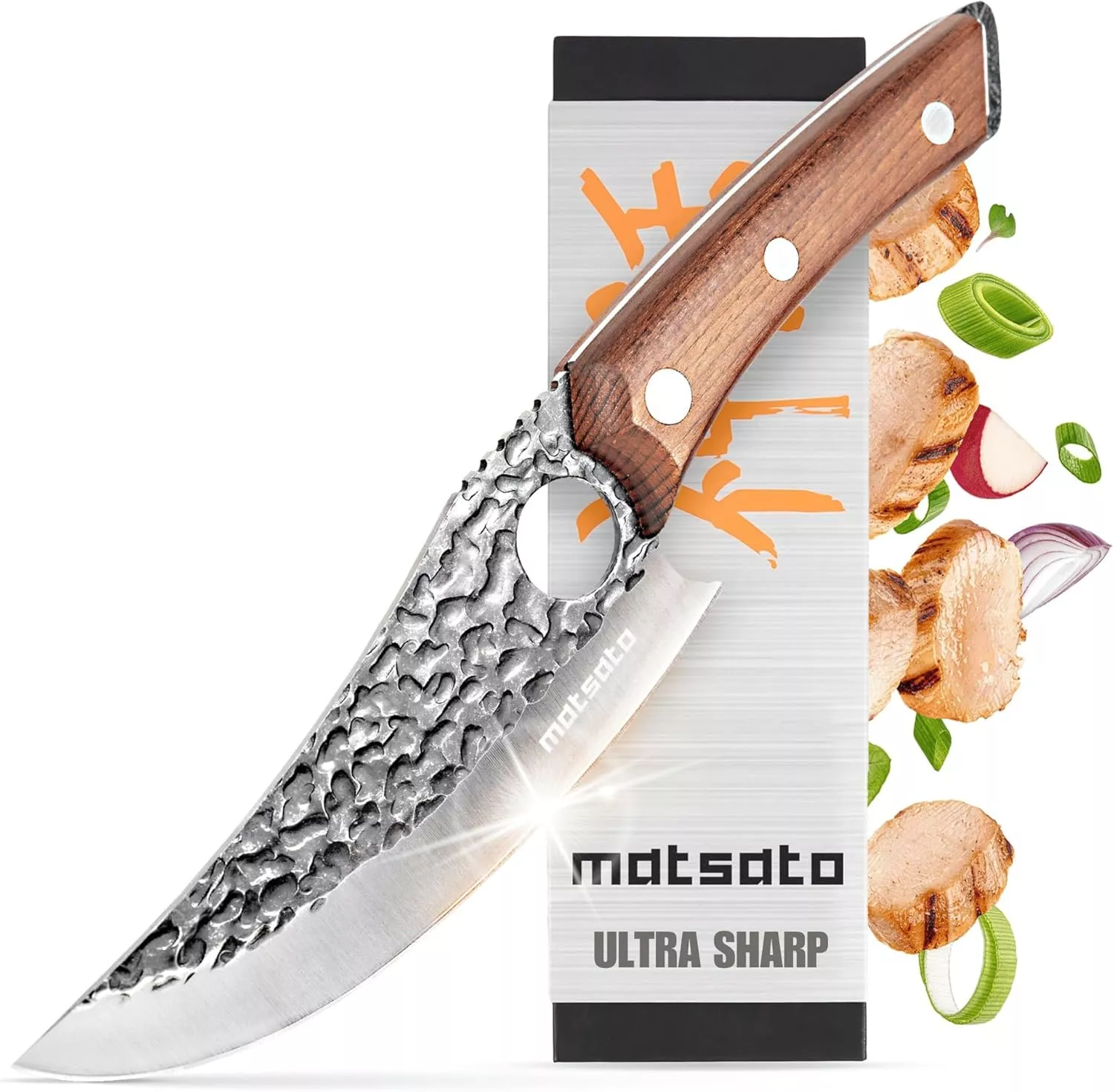
- Stays Razor-Sharp: Ice-hardened blade keeps its edge longer than ordinary knives
- Superior Grip Control: Unique finger hole design gives you perfect balance and safety
- Built to Last a Lifetime: Premium stainless steel blade with elegant beech wood handle
Customer Reviews ★★★★★
Essential Tools and Equipment
- Large pot
- Skillet
- Cutting board
- Knife
- Mixing bowl
- Tongs
Importance of Each Tool
- Large pot: Essential for boiling the sweet potato noodles perfectly without sticking together.
- Skillet: Ideal for stir-frying the beef and vegetables while allowing even cooking.
- Mixing bowl: Useful for combining all ingredients thoroughly before serving.
Ingredients
This classic Korean stir-fried noodle dish features chewy sweet potato glass noodles tossed with tender beef, colorful vegetables, and a savory-sweet blend of soy sauce and sesame oil. It’s easy to customize with chicken, tofu, or shrimp, and its vibrant flavors make it perfect for gatherings or a cozy dinner at home.
For the Protein
- 2 lb thin-sliced beef (or chicken, tofu, or shrimp)
For the Noodles
- 1 lb Korean sweet potato noodles (glass noodles / dangmyeon)
For the Vegetables
- 3 medium carrots, julienned
- 1 large white onion, thinly sliced
- 1/2 bunch green onions, chopped
- 6 garlic cloves, minced
- 1/2 lb spinach leaves
For the Sauce
- 4 tablespoons sesame oil (divided)
- 1 tablespoon olive oil
- 6 tablespoons soy sauce (or tamari)
- 3 tablespoons brown sugar
How to Make Japchae
Step 1: Cook the Noodles
- Bring a large pot of water to a boil and add a drizzle of olive oil.
- Cook the sweet potato noodles for 5–6 minutes until they are chewy but not mushy.
- Drain the noodles and set them aside.
Step 2: Prepare the Beef
- In a skillet over high heat, cook the beef until browned.
- Season with half of the soy sauce, half the sesame oil, and half the brown sugar.
- Remove from heat and set aside.
Step 3: Sauté the Vegetables
- In another skillet, heat olive oil over medium-high heat.
- Add julienned carrots and sliced onion; cook until softened.
- Stir in remaining soy sauce, sesame oil, and brown sugar.
- Add minced garlic and chopped green onions; cook for 1 minute until fragrant.
Step 4: Add Spinach
- Toss in spinach leaves; cook until wilted.
Step 5: Combine Everything
- In a large mixing bowl, combine cooked noodles, beef mixture, and sautéed vegetables.
- Toss well until everything is evenly coated with sauce.
Step 6: Serve
Serve warm garnished with additional green onions if desired.
Enjoy this delicious Japchae as part of your next meal!
How to Serve Japchae
Japchae is a versatile dish that can be enjoyed in many ways. Whether you’re serving it as a main course or a side, these serving suggestions will enhance its delightful flavors.
As a Main Dish
- Serve alongside steamed rice for a hearty meal.
- Pair with kimchi for a spicy kick that complements the sweetness of the noodles.
In a Wrap
- Use lettuce leaves to wrap japchae for a fresh, crunchy bite.
- Add slices of cucumber or carrots for extra texture and flavor.
Cold Salad
- Chill leftover japchae for a refreshing cold salad option.
- Drizzle with sesame oil and sprinkle sesame seeds before serving.
Garnished with Nuts
- Top with toasted sesame seeds or crushed peanuts for added crunch.
- This adds both texture and an extra layer of flavor to the dish.
As an Appetizer
- Serve small portions as an appetizer at gatherings.
- Present in small bowls for easy sharing and enjoying.
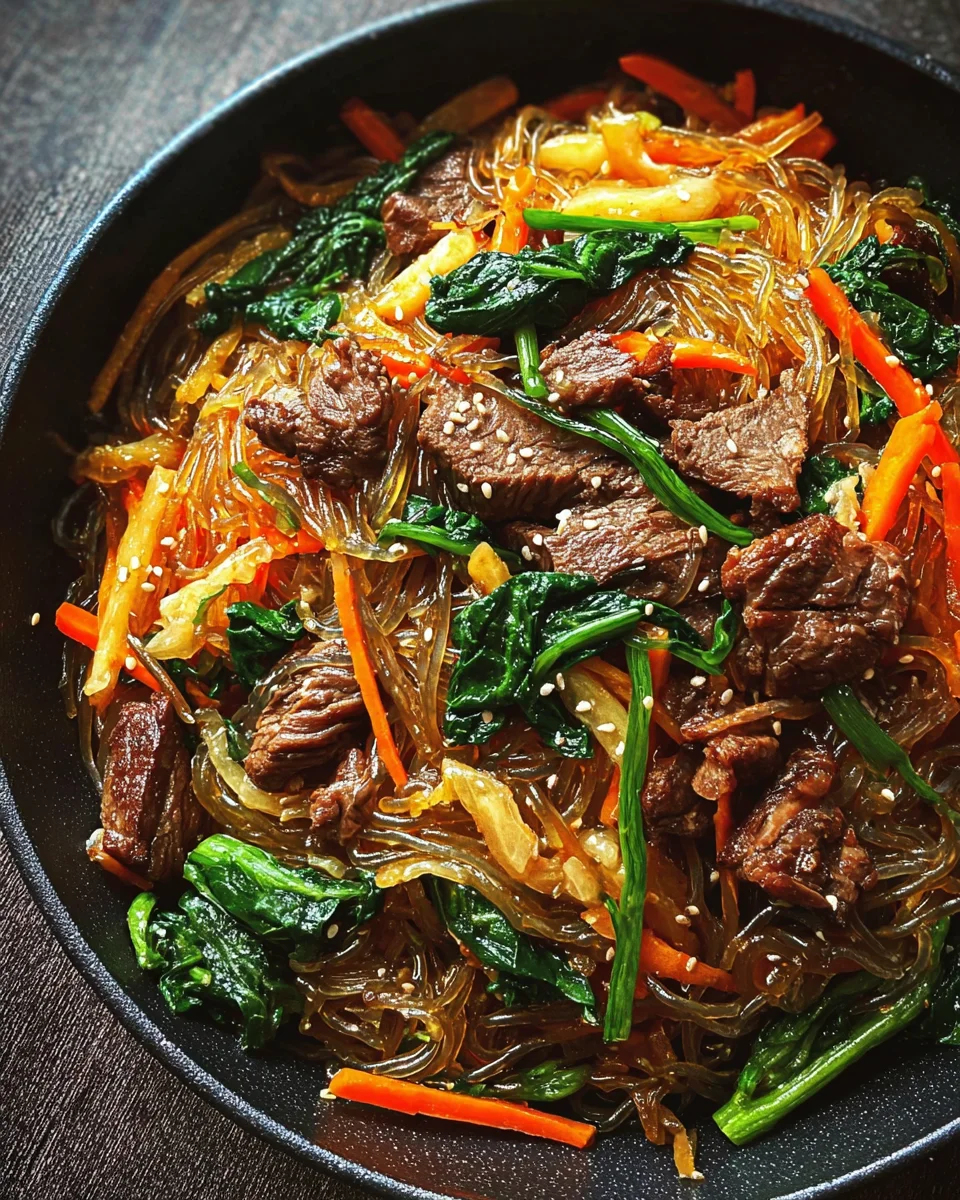
How to Perfect Japchae
Perfecting japchae comes down to technique and ingredient quality. These tips will help you achieve the best results.
- Use fresh ingredients: Fresh vegetables enhance the flavor and texture of your japchae.
- Cook noodles al dente: Avoid overcooking the sweet potato noodles; they should be chewy yet tender.
- Balance flavors: Adjust soy sauce and sugar to achieve your desired level of sweetness and saltiness.
- Stir-fry quickly: High heat cooking ensures vegetables remain crisp while flavors meld perfectly.
- Add protein variety: Experiment with different proteins like chicken or tofu for varied taste experiences.
- Garnish creatively: Use green onions, sesame seeds, or even chili flakes for visual appeal and added flavor.
Best Side Dishes for Japchae
Pairing side dishes with japchae can elevate your meal. Here are some great options that complement this delicious Korean noodle dish.
- Kimchi: A traditional fermented vegetable side that offers spice and tanginess.
- Pickled Radish: Adds crunch and acidity, balancing the savory flavors of japchae.
- Korean Fried Chicken: Crispy, flavorful chicken pairs beautifully with the noodle dish.
- Steamed Broccoli: A simple vegetable side that brings freshness to your plate.
- Egg Rolls: Crispy rolls filled with vegetables or meat provide additional texture.
- Miso Soup: Light and comforting, this soup works well as a warm starter before enjoying japchae.
- Cucumber Salad: A refreshing side that adds crunch without overwhelming flavors.
- Sesame Spinach: A lightly seasoned spinach dish that echoes the greens in your main dish.
Common Mistakes to Avoid
Making Japchae can be a delightful experience, but it’s easy to make common mistakes that can affect the dish’s flavor and texture.
- Overcooking noodles: Cooking the sweet potato noodles too long can lead to a mushy texture. Follow the package instructions for perfect al dente noodles.
- Ignoring ingredient prep: Not slicing vegetables uniformly can result in uneven cooking. Always julienne or slice ingredients evenly for consistent texture.
- Skipping seasoning steps: Neglecting to season beef or vegetables properly can lead to bland flavors. Make sure to incorporate soy sauce and sesame oil at the right stages for depth.
- Using stale ingredients: Freshness matters! Using old vegetables or expired sauces can ruin your Japchae. Always check your ingredients before cooking.
- Crowding the pan: Overcrowding can cause steaming instead of frying, which affects texture. Cook in batches if necessary to achieve that perfect stir-fry.
Storage & Reheating Instructions
Refrigerator Storage
- Store leftovers in an airtight container.
- Consume within 3-4 days for best flavor and quality.
Freezing Japchae
- Place cooled Japchae in a freezer-safe container.
- Freeze for up to 2 months. Thaw overnight in the refrigerator before reheating.
Reheating Japchae
- Oven: Preheat to 350°F (175°C). Spread Japchae on a baking sheet and heat for about 15 minutes.
- Microwave: Heat in short intervals, stirring in between until warm. Use a covered microwave-safe dish.
- Stovetop: Warm in a skillet over medium heat, adding a splash of water or oil as needed to prevent sticking.
Frequently Asked Questions
Here are some common questions people have regarding Japchae.
What is Japchae?
Japchae is a traditional Korean dish made from sweet potato glass noodles stir-fried with meat and vegetables, seasoned with soy sauce and sesame oil.
Can I customize my Japchae?
Absolutely! You can easily substitute beef with chicken, tofu, or shrimp based on your preferences.
How do I make Japchae vegetarian?
Simply replace the meat with more vegetables or tofu, and ensure all sauces used are vegetarian-friendly.
Is Japchae gluten-free?
If you use gluten-free soy sauce or tamari, then yes, Japchae can be made gluten-free!
Final Thoughts
Japchae is not only delicious but also highly versatile. Its combination of chewy noodles and vibrant vegetables makes it an appealing choice for any meal. Feel free to get creative by customizing this dish with your favorite proteins or seasonal veggies. Enjoy making this comforting Korean classic at home!

Japchae
- Total Time: 1 hour
- Yield: Serves approximately 8
Description
Japchae is a delightful Korean dish that marries chewy sweet potato glass noodles with tender beef and a colorful medley of vegetables, all tossed in a savory-sweet sauce. This easy-to-make meal is perfect for any occasion, whether you’re hosting a festive gathering or enjoying a cozy family dinner. With its vibrant colors and customizable ingredients, you can create your own version using chicken, tofu, or shrimp to suit your taste preferences. In just one hour, you can whip up this flavorful stir-fry that’s sure to impress!
Ingredients
- 2 lb thin-sliced beef (or chicken, tofu, or shrimp)
- 1 lb Korean sweet potato noodles (glass noodles / dangmyeon)
- 3 medium carrots, julienned
- 1 large white onion, thinly sliced
- 1/2 bunch green onions, chopped
- 6 garlic cloves, minced
- 1/2 lb spinach leaves
- 4 tablespoons sesame oil
- 1 tablespoon olive oil
- 6 tablespoons soy sauce
- 3 tablespoons brown sugar
Instructions
- Cook the noodles in boiling water with olive oil for 5–6 minutes until chewy. Drain and set aside.
- In a skillet over high heat, cook the beef until browned. Season with half of the soy sauce, sesame oil, and brown sugar. Set aside.
- Sauté carrots and onion in another skillet with olive oil until softened. Stir in remaining sauces and garlic; cook until fragrant.
- Add spinach and cook until wilted.
- Combine noodles, beef mixture, and sautéed vegetables in a large bowl; toss well to coat.
- Serve warm with additional green onions as garnish if desired.
- Prep Time: 20 minutes
- Cook Time: 40 minutes
- Category: Main
- Method: Stir-frying
- Cuisine: Korean
Nutrition
- Serving Size: 1 cup (240g)
- Calories: 350
- Sugar: 6g
- Sodium: 700mg
- Fat: 12g
- Saturated Fat: 2g
- Unsaturated Fat: 9g
- Trans Fat: 0g
- Carbohydrates: 45g
- Fiber: 4g
- Protein: 20g
- Cholesterol: 50mg